Hypnotherapy for Thalassophobia: Support for Fear of Deep Water and Open Water
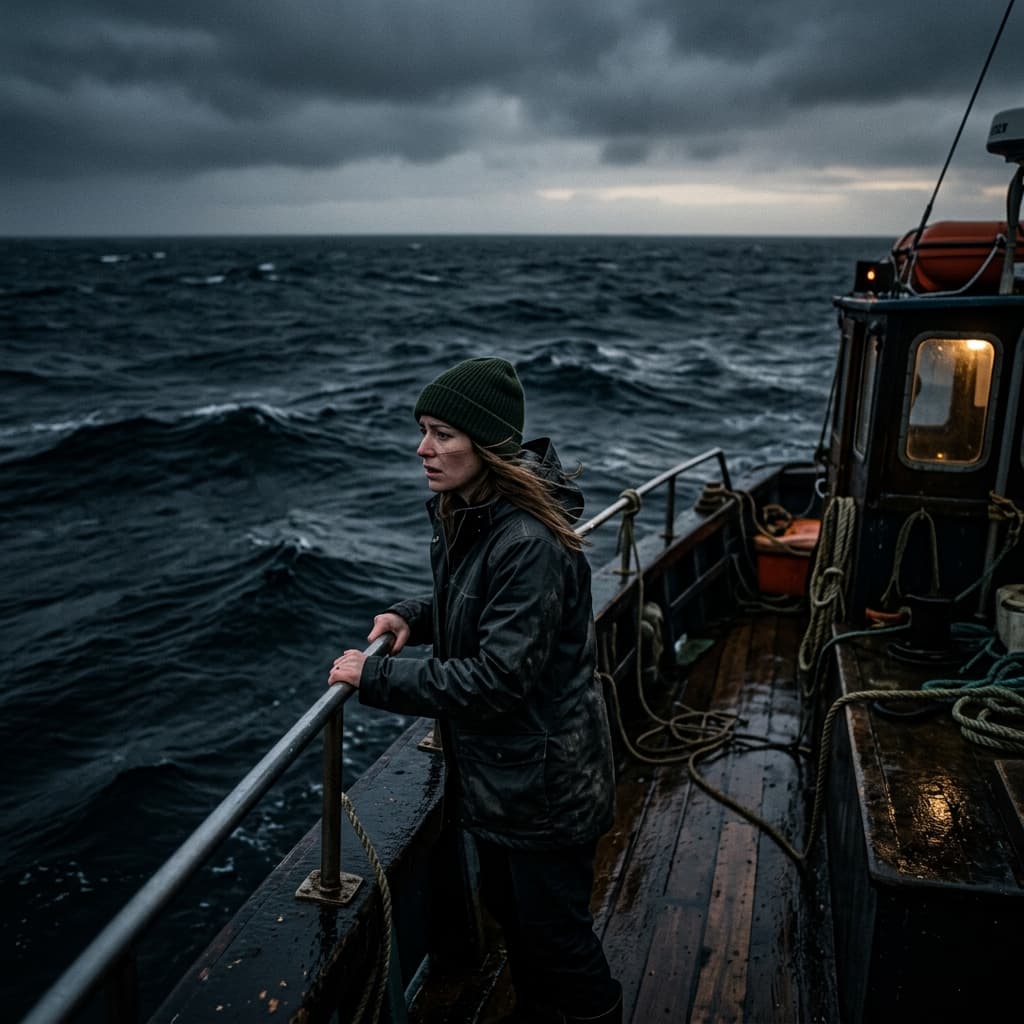
Deep water has a way of making the imagination behave badly.
A swimming pool has edges. A lake has a surface. The ocean has distance, depth, movement, darkness, sound, creatures, currents, and the uncomfortable fact that most of it cannot be seen.
That is why thalassophobia can feel different from ordinary nervousness around water. The fear is not always about swimming skill. It can appear when looking at the ocean from a balcony, watching underwater footage, standing on a pier, crossing a bridge, boarding a ferry, seeing dark water below a dock, or imagining what might be beneath the surface.
If you are researching hypnotherapy for thalassophobia, you probably do not need someone telling you the beach is supposed to be relaxing. You know that. The problem is that part of the mind may read deep or open water as vast, unknowable, and unsafe before the conscious mind has time to negotiate.
This guide explains why fear of deep water can feel so physical, how hypnotherapy may support the automatic fear response, what sessions can look like, and how to find a practitioner who understands phobias, panic sensations, imagery, avoidance, and water-related fear.
Important note: Hypnotherapy is a complementary approach. If you're experiencing significant symptoms, please consult a qualified healthcare provider.
What is thalassophobia?
Thalassophobia is commonly used to describe intense fear, dread, panic, or avoidance related to deep bodies of water, especially oceans, seas, lakes, and other wide or visually unknowable water spaces.
It can show up in very different ways.
Some people feel anxious only in the water. Others feel the fear while standing safely on land. Some are fine in a shallow pool but cannot tolerate the thought of dark water underneath them. Some avoid boat trips, cruises, ferry crossings, piers, docks, snorkelling, diving, lake swimming, ocean documentaries, or even images of submerged objects.
Common triggers include:
- looking down into dark or deep water
- swimming where the bottom cannot be seen
- floating over seaweed, rocks, drop-offs, or shadowed areas
- boat trips, ferries, kayaks, paddleboards, or jet skis
- underwater photos, shipwrecks, whales, sharks, large fish, or deep-sea footage
- waves, tides, currents, rips, storms, or sudden changes in water movement
- bridges, piers, docks, marinas, or harbours
- imagining being pulled down, stranded, surrounded, or unable to reach safety
- fear of what may be beneath the surface
- panic sensations that start before the water is even close
For some people, the fear overlaps with broader phobia patterns, panic attacks, driving over bridges, fear of flying over water, or general anxiety. For others, it is highly specific: deep water is the trigger, and other situations feel manageable.
That specificity matters. A useful hypnotherapy plan should map the exact fear rather than assuming all water anxiety is the same.
Why deep water can trigger such a strong response
Deep water gives the threat system a lot to work with.
There is limited visibility. The surface hides information. Movement is constant. Sound behaves differently near water. Depth creates scale. The mind may imagine hidden creatures, sudden currents, drowning, losing control, being far from shore, or being unable to escape quickly.
For a calm nervous system, those facts may be neutral or even beautiful. For an anxious nervous system, they become evidence.
The response often begins as mental imagery.
A person sees the ocean and instantly imagines falling in. They look at a lake and picture something below. They step onto a boat and imagine being surrounded by miles of water. They see a shadow under the surface and the mind fills in the blank with the worst possible explanation.
Then the body follows the image.
Breathing changes. The chest tightens. The stomach drops. The legs feel strange. The person may feel dizzy, unreal, hot, shaky, or compelled to move away. Once those sensations appear, the fear can intensify: "If my body feels this strong, there must be danger."
That is the loop hypnotherapy often works with: water cue → threat image → body alarm → avoidance → short-term relief → stronger prediction next time.
Avoidance makes perfect sense in the moment. It also teaches the mind that distance is the thing that kept you safe. Next time the alarm may start earlier, sometimes before the trip, before the beach, before the ferry booking, or before opening a video that might contain underwater footage.
How hypnotherapy may support thalassophobia
Hypnotherapy for thalassophobia usually focuses on the automatic imagery, body response, and prediction system around deep or open water.
Hypnosis is often described as a focused state of attention. In that state, a practitioner may use guided imagery, relaxation, anchoring, ego-strengthening, Ericksonian hypnotherapy, NLP-style reframing, parts work, or future pacing. The exact method varies. The goal should not.
The practical aim is to help the nervous system rehearse water-related situations with more steadiness and less catastrophic projection.
That might mean imagining the ocean while staying aware of physical safety. It might mean seeing dark water without instantly filling the unknown with threat. It might mean rehearsing standing on a pier, sitting on a boat, walking near a marina, swimming in shallow water, or watching underwater footage with a calmer internal response.
This is not about pretending the ocean has no risks. Water safety matters. Rips, currents, weather, swimming ability, boat safety, and lifeguard guidance are real. A responsible hypnotherapist should never encourage reckless exposure or tell you to ignore practical safety information.
The work is about separating realistic caution from automatic panic.
A useful session may help the mind update from "deep water means immediate danger" to something more flexible: "I can notice water, assess the actual situation, stay oriented, and choose the next step."
What a session might look like
A good first session starts with mapping the fear in detail.
The practitioner may ask what kind of water bothers you, whether the fear appears in person or through images, whether swimming ability is part of the issue, whether there has been a water-related incident, and what you currently avoid. They may also ask about panic attacks, trauma history, nightmares, intrusive images, dizziness, medical issues, or other mental health support.
The details change the work.
Fear of swimming in deep water is different from fear of looking at underwater images. Fear of boats is different from fear of the open ocean from shore. Fear after a near-drowning experience is different from a lifelong sense of dread around water. Fear of large sea creatures is different from fear of depth itself.
During hypnosis, the practitioner may first guide a steadier physical state. This could involve progressive relaxation, breath pacing, body awareness, or a safe-place image. Then they may introduce the water-related theme gradually rather than throwing the client straight into the most intense mental scene.
A graded sequence might look like:
- imagining a calm shoreline from a comfortable distance
- noticing the colour, sound, and movement of water while remaining grounded
- standing on a safe pier or beach with a clear exit path
- looking at deeper water while keeping attention broad and steady
- watching a mild underwater image without spiralling into catastrophic detail
- rehearsing a realistic future situation, such as a ferry ride, beach visit, lake walk, or boat invitation
The practitioner may also build an anchor: a physical cue, phrase, or breath pattern associated with steadier state. The client can then practise the anchor before a beach trip, while watching water footage, or when the first signs of tension appear.
Some sessions include parts work. One part of the mind may understand that the client is safe on the balcony or shore. Another part may react as if the water is already a threat. Parts work can help these responses communicate without turning the fear into an internal fight.
Future pacing is also common. The practitioner may guide the client through a future scene where they notice deep water, feel a wave of activation, use the anchor, stay oriented, and make a calm choice. The point is not to guarantee perfect calm. It is to rehearse a different response before real life demands it.
How long does it take?
There is no universal number of sessions.
Some people seek support for mild avoidance, such as wanting to feel more comfortable around beaches, boats, or ocean videos. Others have intense panic, past water trauma, severe avoidance, nightmares, or fear that affects travel, family holidays, work, or relationships.
A realistic starting point is often three to six sessions, followed by review. Simple, specific fears may shift faster. Longstanding fears, trauma-linked responses, or panic-heavy patterns may need a slower plan and support from other qualified professionals.
Progress is usually strongest when sessions are paired with manageable between-session practice.
That practice might be looking at neutral water images, walking near a calm lake, listening to a recording, practising an anchor before viewing ocean footage, visiting a beach without entering the water, or planning graded steps with appropriate safety. The key word is graded. Flooding yourself with the worst trigger can backfire.
Boring repetition is better than heroic suffering.
When hypnotherapy may not be enough on its own
Hypnotherapy can be useful support, but it is not the only tool for every situation.
If your water fear is linked to a traumatic event, near drowning, loss, severe panic, dissociation, intrusive memories, nightmares, self-harm thoughts, substance use, or major disruption to daily functioning, speak with a qualified healthcare or mental health provider. Hypnotherapy may still form part of a broader support plan, but it should not replace appropriate care.
Also consider practical water-safety factors.
If swimming ability is limited, swimming lessons may be relevant. If boat safety is the concern, education and supervised practice may help. If dizziness, fainting, vestibular symptoms, or medical issues occur around water, get medical guidance. If the fear involves children, water safety education and age-appropriate support matter more than forcing exposure.
The most trustworthy practitioners will respect these boundaries. They will not frame fear as weakness, sell certainty, or promise that hypnosis can make every water situation easy.
Questions to ask a hypnotherapist
When searching for support, look for someone who can talk specifically about phobias, panic, imagery, and avoidance rather than offering generic confidence language.
Good questions include:
- Have you worked with phobias or water-related fears before?
- How do you pace the work if the imagery feels intense?
- Do you use graded rehearsal, anchoring, future pacing, or parts work?
- How do you distinguish realistic water safety from anxious avoidance?
- What would between-session practice look like?
- How do you handle panic sensations during the session?
- When would you recommend additional healthcare or mental health support?
A good answer should sound practical. If the practitioner says one session will make the fear disappear, be careful. If they dismiss water safety, be more careful. If they can explain the process clearly, pace the work respectfully, and keep the goal realistic, that is a better sign.
You can start by browsing certified practitioners through Hypnotherapy Finder. If the fear is broader than deep water, you may also find it useful to explore the phobia test, the guide to hypnotherapy for anxiety, or support for panic attacks.
The fear is not silly. It is specific.
Fear of deep water can be hard to explain because the trigger is often invisible.
Other people see a blue surface. Your mind may see depth, distance, darkness, creatures, currents, drowning, and no clear edge. That does not mean the fear is irrational nonsense. It means the threat system has attached powerful meaning to water-related cues.
Hypnotherapy may help by working with that meaning directly: the images, sensations, predictions, and avoidance patterns that make the fear feel bigger than the moment itself.
The goal is not to become reckless around water.
The goal is to have more choice.
To stand near the ocean without the body declaring an emergency. To watch a scene without needing to look away immediately. To decide whether a boat trip, beach visit, or lake walk is genuinely right for you, rather than letting the old alarm make every decision first.
If you are ready to explore support, find a hypnotherapist near you and ask how they work with phobias, imagery, panic sensations, and water-related avoidance.
Looking for a qualified hypnotherapist?
Browse our directory of verified professionals to find the right match for your needs.
Search Directory